

/ research /
Research on AI translation, with the data behind it
Our studies measure how people and AI translate together, from the edits behind 27 million segments to the cost of post-editing over two years. Our reports read what other fields are learning about AI for translation teams. Free to read and share.
/ new in 2026 /
Our latest papers and reports
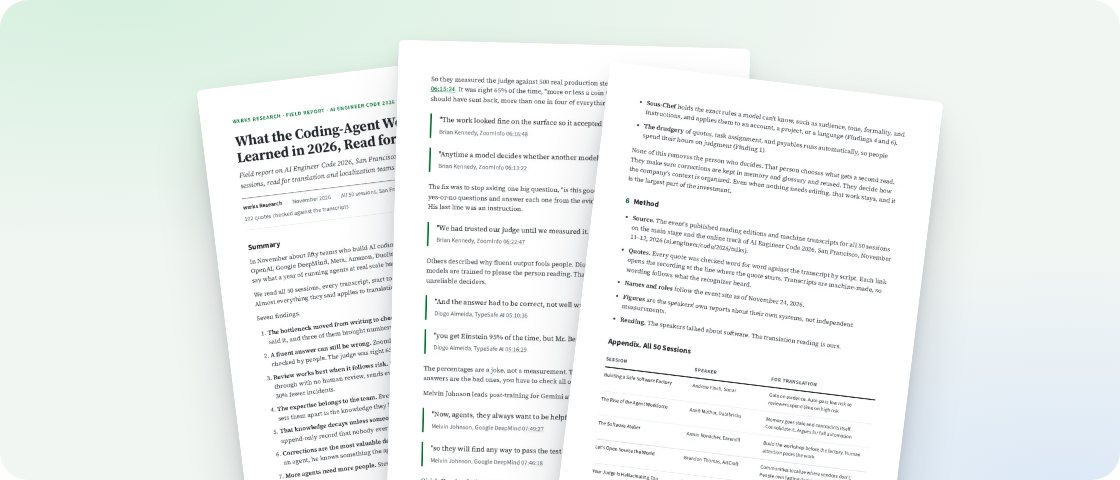 Field report, November 2026What the Coding-Agent World Learned in 2026, Read for Translation
All 50 talks at AI Engineer Code 2026, read for localization teams. Seven findings, with every quote linked to its moment in the recording.
Read the report →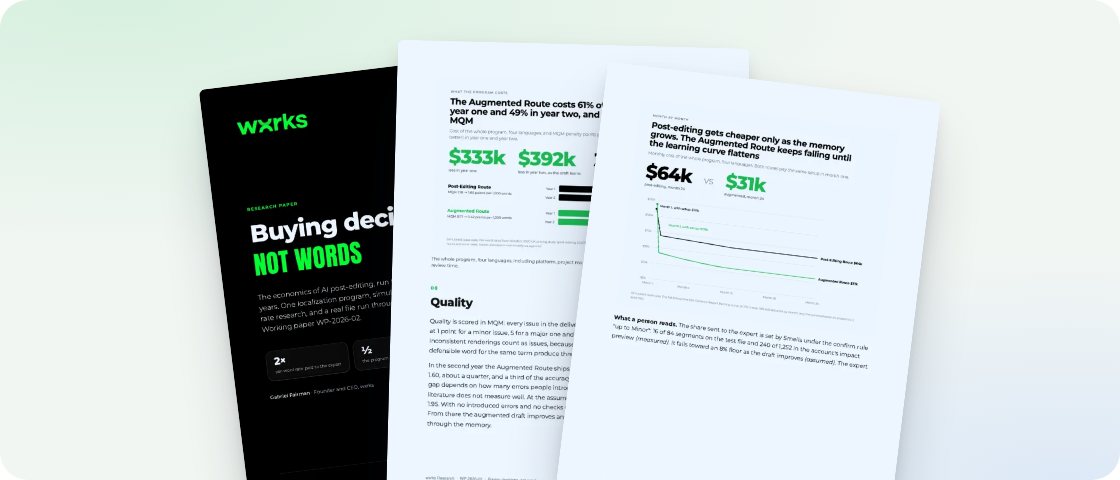 Working paper, November 2026Buying decisions, not words
The economics of AI post-editing, run two ways for two years. By year two the program costs about half and ships a quarter of the MQM penalty points.
Read the paper →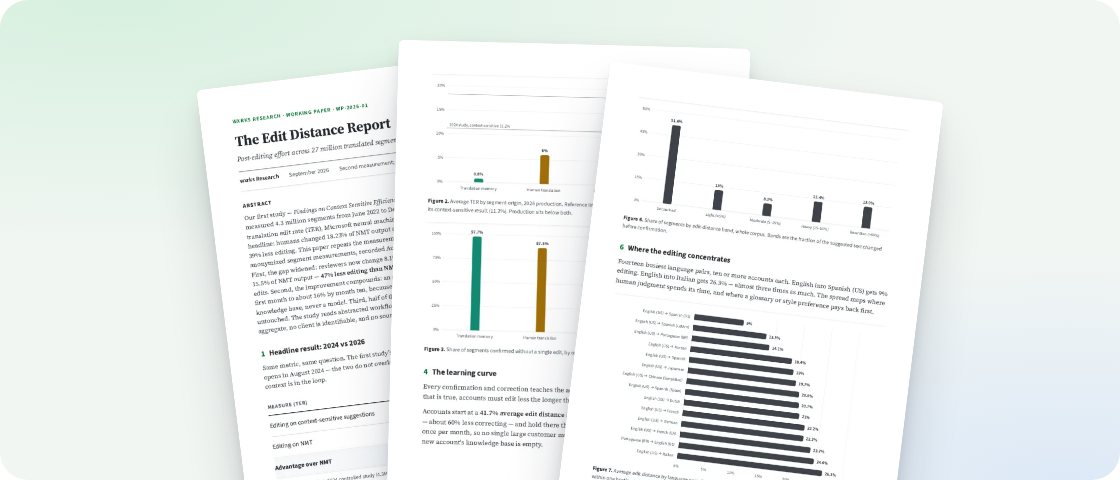 Working paper, October 2026The Edit Distance Report
How much people change machine suggestions, measured across 27 million translated segments. Context-sensitive output needs 47% less editing than neural machine translation.
Read the report →/ more papers /
From the archive
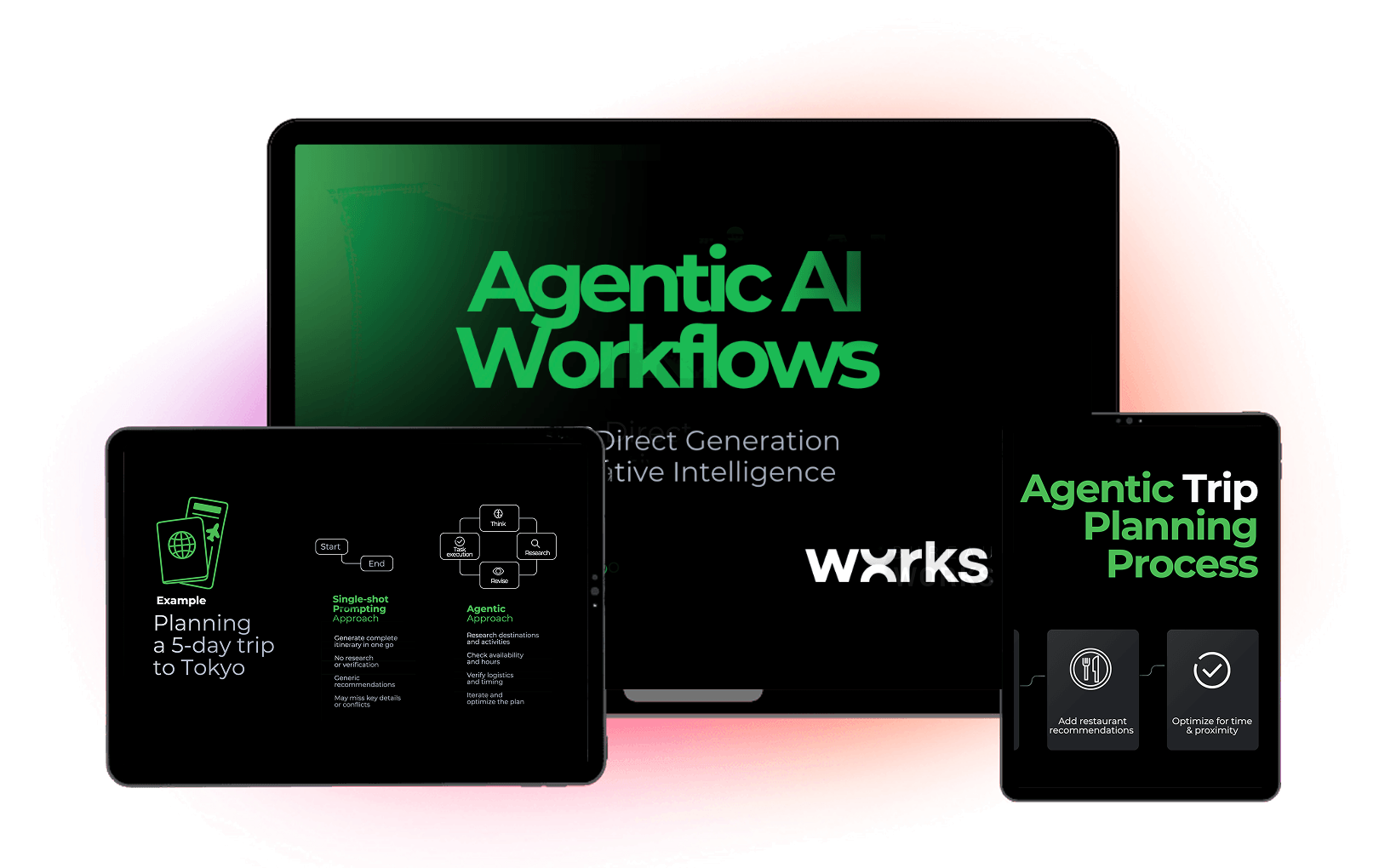 PaperAgentic AI Workflows
From direct generation to iterative intelligence.
Get the paper →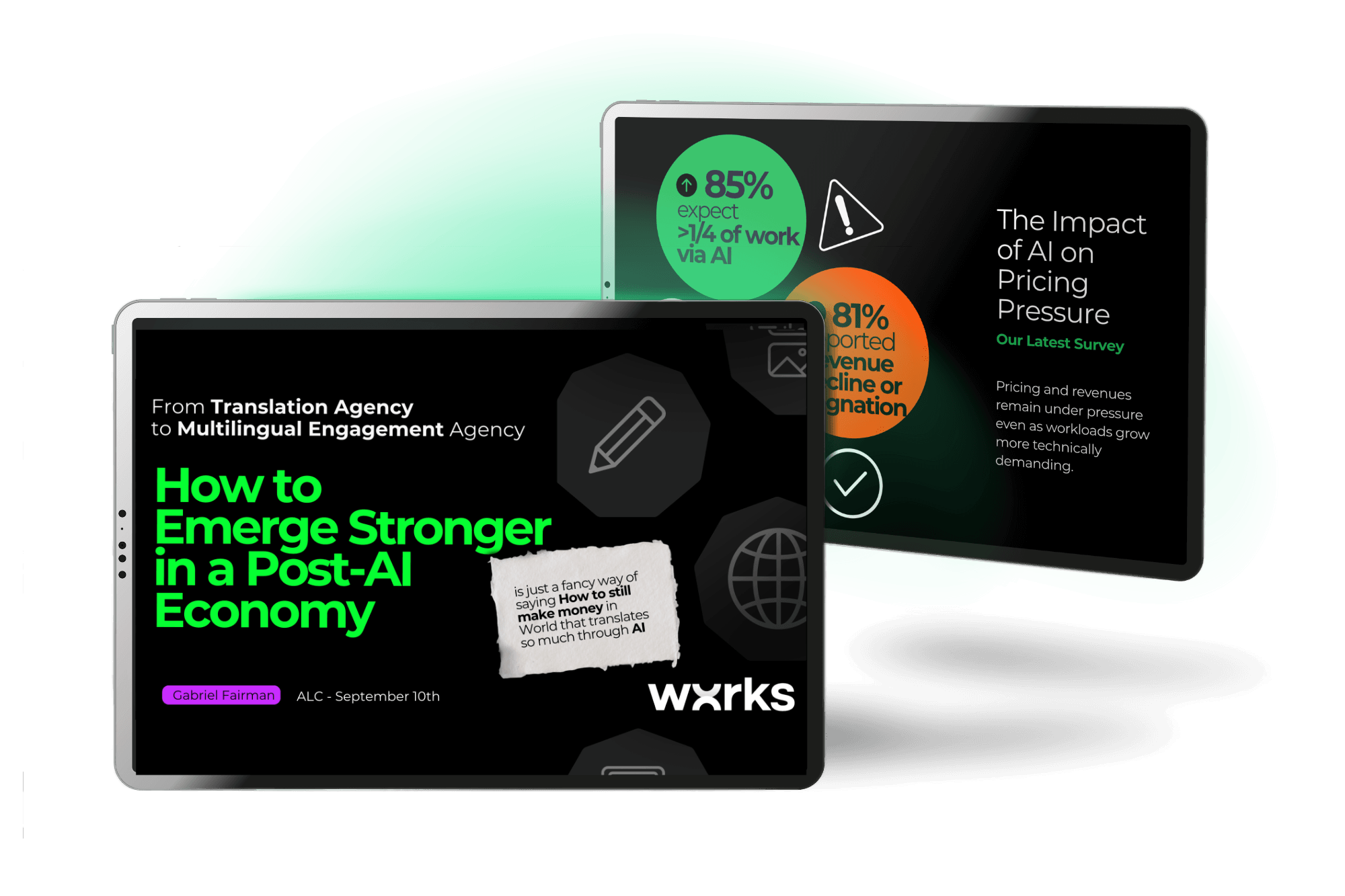 PaperHow translation agencies can keep making money in the age of AI translation
At ALC New Orleans 2025, Gabriel Fairman showed how AI is cutting prices and changing translation, and what agencies can do to stay profitable.
Get the paper →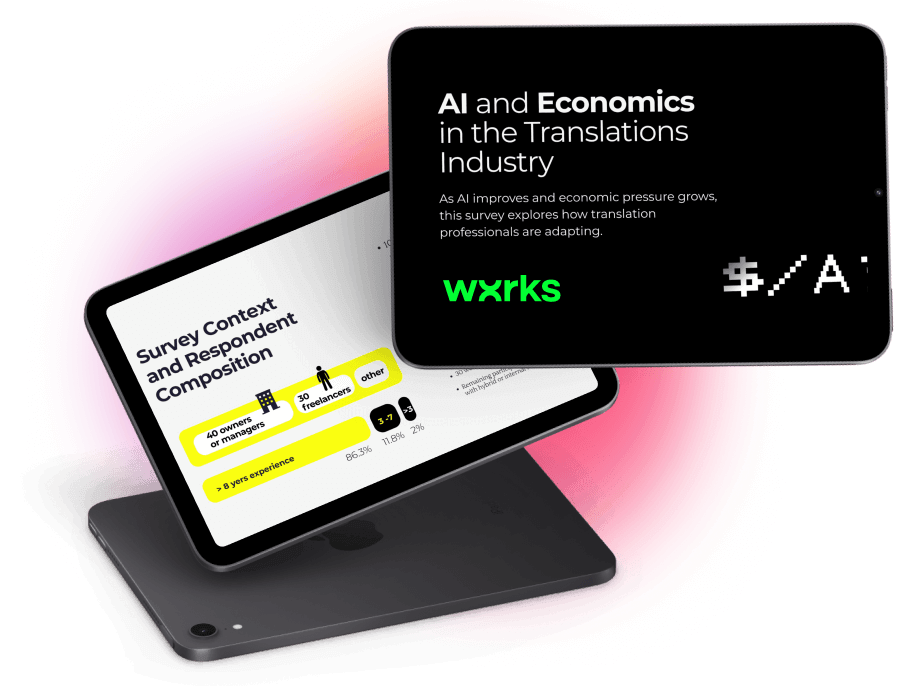 PaperAI and Economics in the Translations Industry
As AI improves and economic pressure grows, this survey explores how translation professionals are adapting.
Get the paper →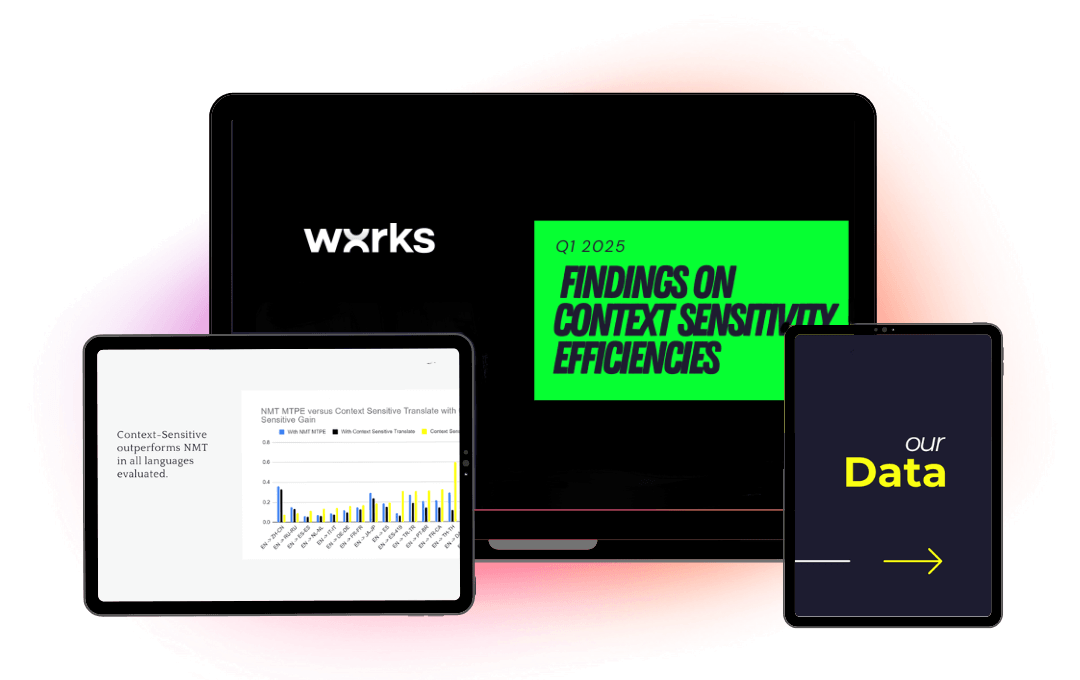 PaperApplied AI Translation Productivity
We analyzed 4.3 million translated segments to measure how a context-sensitive approach compares to neural machine translation in edit distance.
Get the paper → PaperBest Machine Translation APIs
Are all machine translation APIs the same? Which one should you use, and for which language? A comparison of Google, DeepL, Amazon, and Microsoft.
Get the paper →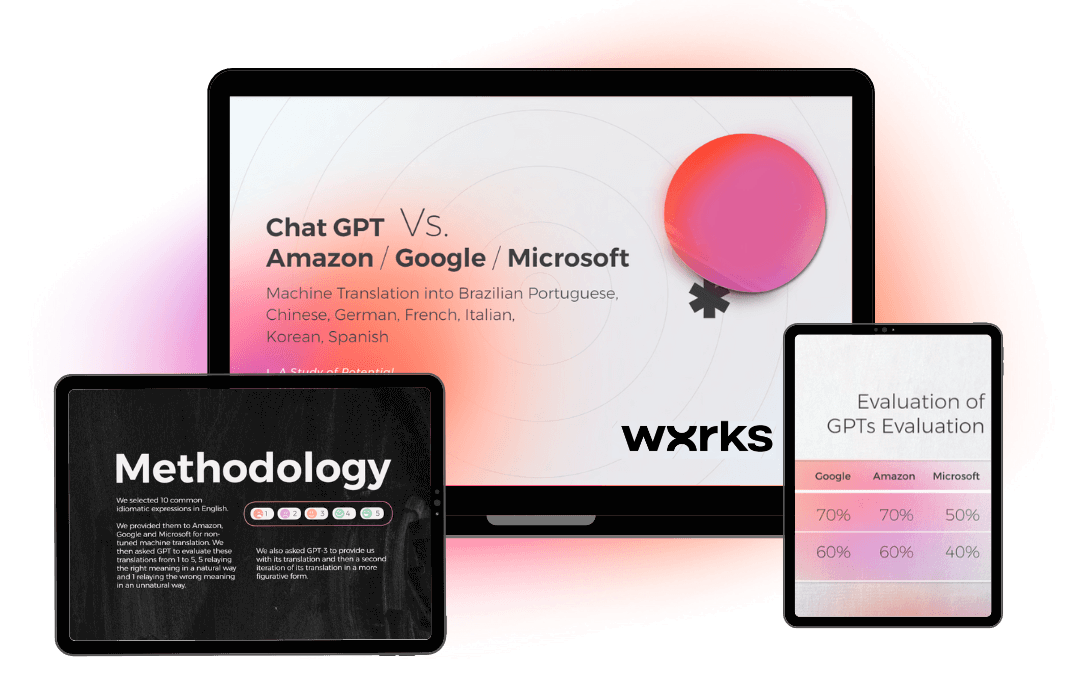 PaperChatGPT Vs. Machine Translation
A study of the potential uses and pitfalls of large language models for translation and linguistic evaluation.
Get the paper →